 来自 昏昏睡睡HSE · From Drowsy HSE
CSP DAILY LEARNING · DAY 20
本课只做一件事:拿「风险矩阵与控制层级实操」做一次真实判断:按步骤走完,答案由推导得出而不是靠回忆。
Use Risk Matrix & Hierarchy in Practice in one real decision: follow the steps, derive the answer instead of recalling it.
本课不涉及:不新讲概念,也不做多题连练——只走一个场景。
Not covered here: No new concepts, no question drills — one scenario, walked through.
先看一张图 | One picture first
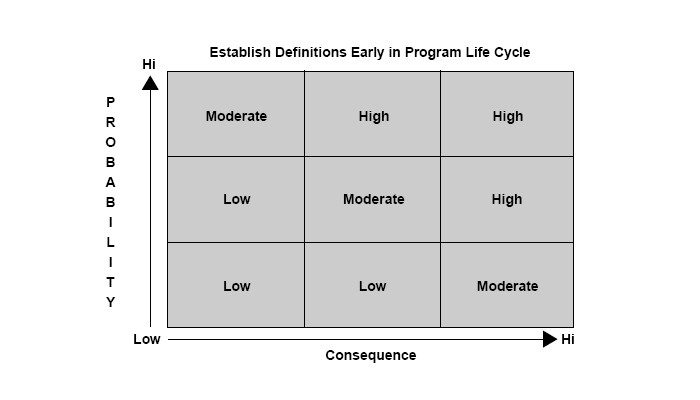
Risk matrix: consequence × likelihood; the cell you land in sets the priority. 来源 / Source: US gov,公有领域 public domain,经 Wikimedia Commons(File:Risk_Matrix_Simple.jpg)Source: US government, public domain, via Wikimedia Commons (File:Risk_Matrix_Simple.jpg)
本课目标 | Learning objectives
- 按三步走完一个场景,并说出每一步的依据
- 区分「更有效」与「更先做」两类答案
- 把结论写回自己的术语表
图片经过压缩后保存在当前浏览器。导出失败时,可在下方预览图片上长按保存。/ The photo is compressed and stored in this browser. If download fails, long-press the preview below to save it.
场景走一遍 | Walk the scenario
打磨工序:粉尘浓度超过职业接触限值 2 倍。现有措施:普通防尘口罩、告知海报。班组提出四个方案:A 换用低尘磨料并加装局部排风;B 配发 N95 并要求佩戴;C 轮岗缩短单人接触时间;D 增设警示标志与培训。
Grinding station: dust is 2× the exposure limit. Existing measures: basic masks and posters. Four proposals: A switch to low-dust abrasive plus LEV; B issue N95 with mandatory wearing; C rotate workers to cut individual exposure; D more signage and training.
- 第一步:定位问题层级——这是「能量/危害源未隔离」,不是「人不知道」 — Step 1 — locate the level: the source is not isolated; this is not an awareness gap
- 第二步:按控制层级从上往下扫——替代(低尘磨料)与工程(排风)都在 B/C/D 之上 — Step 2 — sweep the hierarchy downward: substitution and engineering outrank B, C and D
- 第三步:检查剩余风险——A 之后仍需呼吸防护作为补充,但它是补充不是答案 — Step 3 — check residual risk: after A, respirators remain a supplement, not the answer
走完这三步再往下答题;答案不是背出来的,是按步骤推出来的。/ Work the three steps before answering — the answer is derived, not recalled.
情景自测 | Scenario check
考点应用Exam-point application
这道题考什么:考控制层级排序:把四个选项按「隔离能量的有效性」排队。
Hierarchy ranking: order the options by how effectively they isolate the hazard.
按控制层级,最优先采取的方案是?
Per the hierarchy of controls, the priority action is:
自编练习题,不是 BCSP 官方真题,也不能用来预测分数。 / Original practice item, not an official BCSP exam question.
动手练 | Practice
1. 把该工位画进 5×5 风险矩阵:固有等级、加装 A 方案后的剩余等级,并写出降级的依据。
Plot this station on a 5×5 matrix: inherent level, residual level after option A, and the justification for the downgrade.
学习打卡与笔记 | Progress & notes
已完成 0/4 项 / 0/4 tasks complete
进度保存在当前浏览器,不会自动跨设备同步。/ Progress is stored in this browser only.
可靠来源 | Official references
BCSP — CSP Examination Blueprint (CSP11)
BCSP — Official Self-Assessments
BCSP — Certified Safety Professional (CSP)
Pearson VUE — CSP 考试预约 / Scheduling
本课为一般性学习资料,不替代现场专业评估、法规要求或组织程序。/ Educational content only.
← 返回课程目录 / Back to catalog