来自 昏昏睡睡HSE · From Drowsy HSE CSP DAILY LEARNING · DAY 63

职业暴露控制基础 · 要点进阶 | Occupational Exposure Control Basics · Key Points in Depth

第 12 块 · Domain 1 · 安全原理高级应用 · 25%Block 12 · Domain 1 · Advanced Application of Safety Principles · 25%第 2 / 5 课 · 要点进阶Lesson 2 of 5 · Key Points in Depth

本课只做一件事:把「职业暴露控制基础」的四条要点逐条拆开:机制是什么、什么时候成立、最容易错在哪。

Take the four key points of Occupational Exposure Control Basics apart: mechanism, conditions, and the usual misread.

本课不涉及:不重复概念定义,也不做综合题——只把要点讲透。
Not covered here: No repeat of definitions, no mixed questions — just the points, in depth.

先看一张图 | One picture first
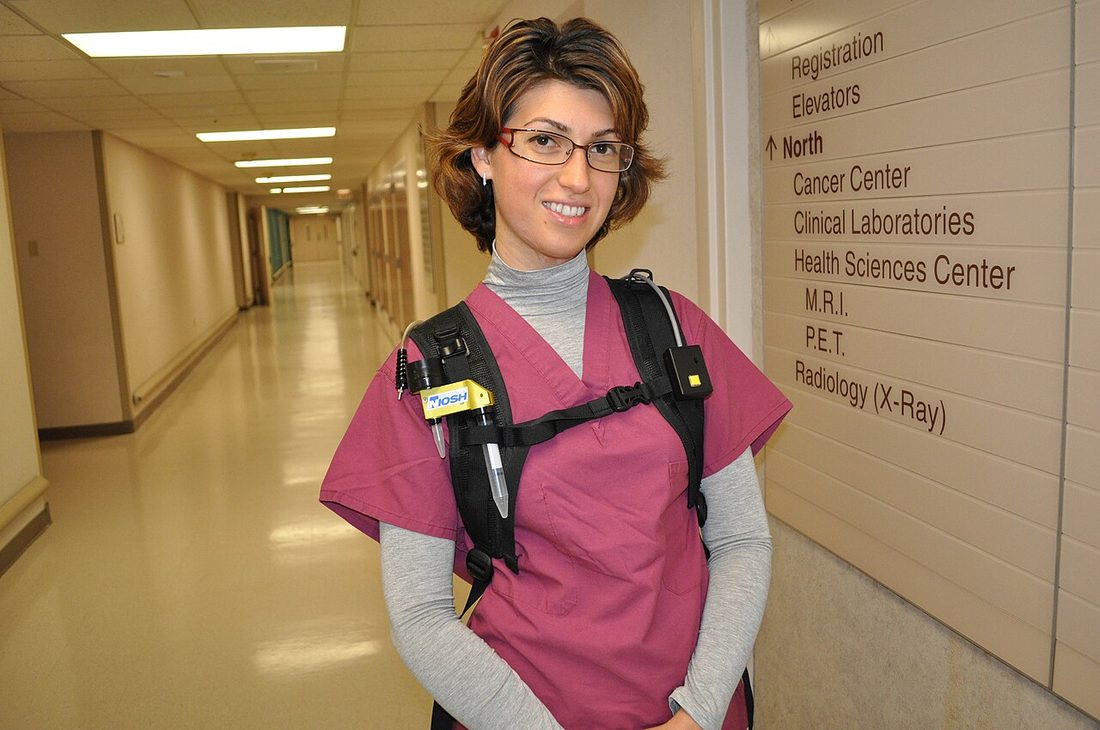
个体采样:采样器背在呼吸带附近,跟随工人一整个班次。
图解 / Figure:个体采样:采样器背在呼吸带附近,跟随工人一整个班次。
Personal sampling: the pump rides near the breathing zone for a full shift. 来源 / Source: National Institute for Occupational Safety and Health (NIOSH) from USA,公有领域 public domain,经 Wikimedia Commons(File:NIOSH_Aerosol_Sampler_(8743397933).jpg)Source: National Institute for Occupational Safety and Health (NIOSH) from USA, public domain, via Wikimedia Commons (File:NIOSH_Aerosol_Sampler_(8743397933).jpg)

本课目标 | Learning objectives

  1. 按顺序复述四条要点各自的机制
  2. 对每条要点说出一个常见误解,并说明为什么错
  3. 判断一个新例子属于哪一条要点

  • Recite the mechanism behind each of the four points
  • Name one common misread per point and why it fails
  • Classify a new example under the right point
  • 图片预览 / Photo preview

    图片经过压缩后保存在当前浏览器。导出失败时,可在下方预览图片上长按保存。/ The photo is compressed and stored in this browser. If download fails, long-press the preview below to save it.

    要点逐条拆 | Point by point

    1. 采样位置:呼吸带优先
    Sample where the person breathes: breathing zone first
    个体采样器挂在工人衣领呼吸带附近、跟随整个班次——这是与 OEL 可比的基准。定点采样(墙上的泵)只能回答「这个位置浓度多少」,回答不了「这个人吸入了多少」。读数比较时:TWA 对 TWA、STEL 对 STEL、ceiling 对 ceiling,不可跨型比较。
    A personal sampler rides on the collar near the breathing zone for the full shift — the only basis comparable to an OEL. A fixed pump answers 'how much at that spot', never 'how much did this person breathe'. Compare like with like: TWA to TWA, STEL to STEL, ceiling to ceiling.
    常见误解 / Common misread:拿定点短时读数去和 8 小时 TWA 比——两个不同的问题,答案是无效的。
    Comparing a fixed-point short reading against an 8-hour TWA — two different questions, one invalid answer.
    2. 暴露比值与行动水平
    Exposure ratio and the action level
    暴露比值 = 实测浓度 ÷ OEL:≥ 1 超标,须立即控制并复测;0.5(行动水平,通常取 OEL 的 50%)即启动医学监测与定期采样。单次测量有波动,判断要用多日样本与最坏工况结合。
    Exposure ratio = measured ÷ OEL: at or above 1, control immediately and resample; at the action level (usually 50% of the OEL) start medical surveillance and periodic sampling. Single readings fluctuate — judge on multiple days and worst-case tasks.
    常见误解 / Common misread:「一次没超标 = 安全」——暴露在工序、季节、产量间波动很大。
    'One pass = safe' — exposure swings with process, season and output.
    3. 控制层级在吸入暴露上的形态
    What the hierarchy looks like for inhalation
    消除/替代:水基代替溶剂基、低毒代替高毒;工程控制:局部排风在源头捕获(捕获速度、管道、净化)、密闭隔离;管理控制:轮岗(注意:轮岗是「把暴露摊给更多人」,是补救不是优化)、缩短作业时间;PPE:呼吸器是最后防线,需要适合性检验与防护因数计算。
    Elimination/substitution: water-based for solvent-based, lower toxicity first. Engineering: local exhaust that captures at source (capture velocity, ducting, cleaner), enclosure. Administration: rotation — which spreads exposure over more people, a remedy not an optimisation — and shorter exposure times. PPE: respirators are the last line, needing fit testing and protection-factor calculations.
    常见误解 / Common misread:把「多发几副口罩」当控制方案——那是层级最底端的兜底,不是方案本体。
    Offering more masks as the control plan — that is the bottom-of-hierarchy fallback, not the plan.
    4. OEL 三家:PEL、REL、TLV
    Three OEL families: PEL, REL, TLV
    PEL(OSHA,法定强制)、REL(NIOSH,建议、通常最严)、TLV(ACGIH,行业共识、无法律效力)。三者数值可以差数倍。专业决策用最严者做健康防护目标,同时如实报告法定状态;考试问「法定限值」答 PEL。
    PEL (OSHA, legally enforceable), REL (NIOSH, recommended, usually strictest), TLV (ACGIH, consensus, no legal force). They can differ several-fold. Set health targets on the strictest while reporting legal status honestly; 'legal limit' in an exam means PEL.
    常见误解 / Common misread:三套标准混着引用、结论自相矛盾——写报告时固定「决策用 TLV、合规报 PEL」并注明。
    Mixing the three until the report contradicts itself — fix the convention (TLV to decide, PEL to report) and label it.

    情景自测 | Scenario check

    考点应用Exam-point application

    这道题考什么:考暴露比值的计算与层级应用:数字与措施连着考。
    Tests the exposure ratio feeding straight into the hierarchy.

    喷漆工呼吸带 TWA:甲苯 120 ppm。PEL(TWA)200 ppm,TLV 20 ppm。判断与首选措施是?

    A painter's breathing-zone TWA is 120 ppm toluene. PEL (TWA) 200 ppm; TLV 20 ppm. The judgement and first action are?

    自编练习题,不是 BCSP 官方真题,也不能用来预测分数。 / Original practice item, not an official BCSP exam question.

    动手练 | Practice

    1. 为你现场一个产尘工序画出「四级控制」各一条措施。
    Map one dusty process at your site onto the four control levels, one measure each.

    学习打卡与笔记 | Progress & notes

    已完成 0/4 项 / 0/4 tasks complete

    连续学习 / Learning streak: 0 天 / 0 days

    进度保存在当前浏览器,不会自动跨设备同步。/ Progress is stored in this browser only.

    PNG 学习记录预览;可长按图片保存 / PNG card preview; long-press to save

    可靠来源 | Official references

    BCSP — CSP Examination Blueprint (CSP11)

    BCSP — Official Self-Assessments

    BCSP — Certified Safety Professional (CSP)

    Pearson VUE — CSP 考试预约 / Scheduling

    本课为一般性学习资料,不替代现场专业评估、法规要求或组织程序。/ Educational content only.

    ← 返回课程目录 / Back to catalog